How to Tell Your Indian Parents You Need Therapy (Without Them Freaking Out)
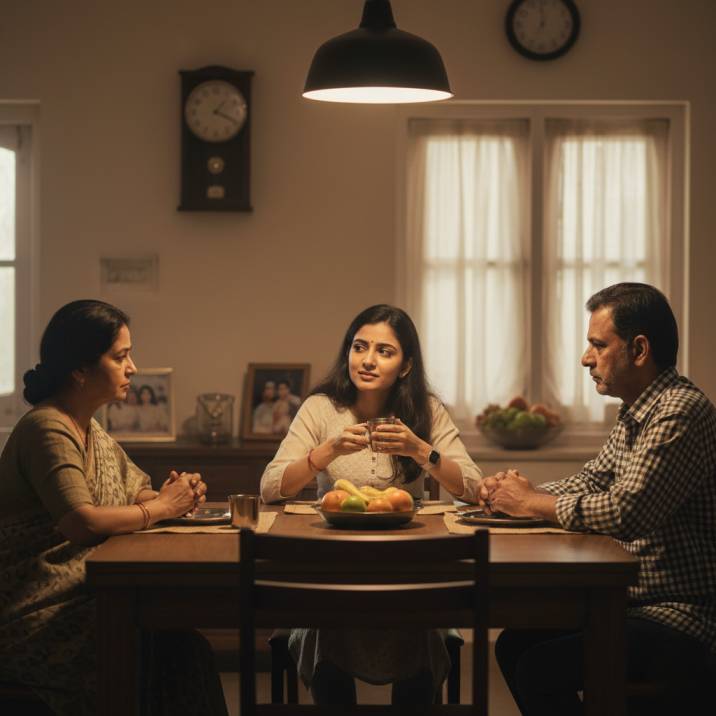
The scene is familiar. You are sitting at the dining table. The TV is on. You have been rehearsing this sentence in your head for weeks. You finally say it: “Mummy, Papa… I think I need to see a psychologist.”
And then, the explosion happens.
- “Whatever do you have to be sad about? We gave you everything!”
- “Stop looking at your phone, that is the real problem.”
- “Are you mad? If people find out, who will marry you?”
If this sounds terrifying, I want you to know two things:
- Your fear is valid.
- Your parents aren’t necessarily “villains.” They are just scared.
In India, the older generation often equates “Psychology” with “Madness” (Pagalpan). They hear “Therapy” and think “Asylum.” Your job in this conversation is not to fight them, but to re-educate them.
Here is the exact strategy I teach my young clients to get their parents on board.
Step 1: Choose the Right Time (Timing is Everything)
Do not bring this up during a fight. Do not bring this up when your dad is watching the news or your mom is rushing to work. Choose a calm moment. Sunday evening tea. A quiet drive. The Script: “I need your advice on something important regarding my health. Can we talk for 10 minutes without distractions?” (Framing it as seeking “advice” makes them feel respected, not attacked).
Step 2: Use the “Physical Health” Metaphor
Indian parents understand physical doctors. They respect “Specialists.” If you say “I am sad,” they will say “Be happy.” If you say “I have a medical issue,” they will listen.
The Script: “Papa, just like we go to a dentist when a tooth hurts, I need to see a specialist for my focus and sleep. My stress levels are affecting my physical health (gastritis/headaches/sleep). A Clinical Psychologist is a trained doctor who helps fix this so I can perform better at work/college.”
Key Keyword: Use the word “Performance.” Indian parents love performance. Tell them therapy will help you get better grades or earn more money.
Step 3: Show, Don’t Just Tell (The Evidence)
Emotions are invisible. Data is real. If they think you are just “acting out,” show them an objective score.
The Strategy: Take a standardized assessment on PsychKit.org before the talk. Show them the result. “Look, I took this scientific test. It says my anxiety score is 18/20, which is in the ‘Severe’ range. This isn’t just a mood; it’s a condition that needs treatment.” Get Your Score on PsychKit
Step 4: Address the “Log Kya Kahenge” (The Secret Fear)
This is usually the real reason they say no. They are terrified of the neighbors finding out. Reassure them immediately about Confidentiality.
The Script: “I have checked. These doctors are legally bound by the government (RCI) to keep everything 100% secret. No one—not even our relatives—will ever know I am going there. It is completely private.”
What If They Still Say No?
Sometimes, despite your best efforts, they won’t understand. They might refuse to pay for it or forbid you from going. Please do not give up on yourself. You have options within our ecosystem that you can access independently:
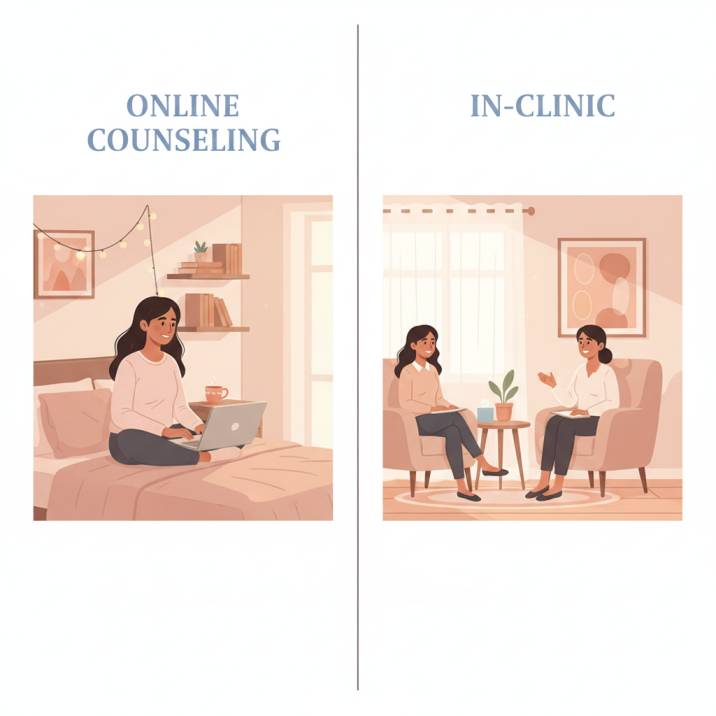
- The “Pocket-Money” Option (VentOut.org): If you cannot afford a full clinical session (which can range from ₹1000-₹2000+), start with VentOut. You can chat with a trained Wellness Listener or a Counsellor for a fraction of the cost. It is discreet, online, and you can do it from your room. Start Chatting on VentOut
- The “Future” Plan: If you are a minor, hang in there. Use free resources (like our blogs and tools) to manage your symptoms until you are 18 and can legally make your own medical decisions.
If They Say Yes (The Gold Standard)
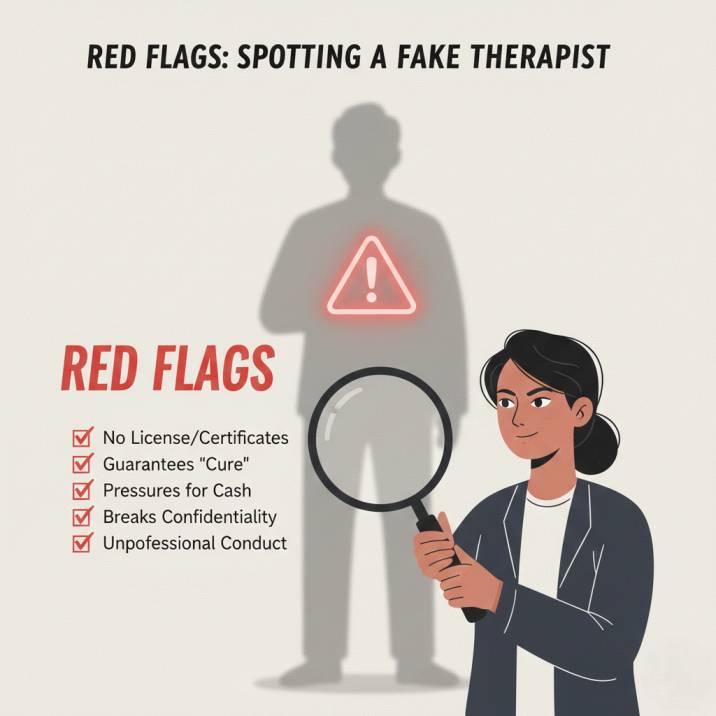
If they agree, do not compromise on quality. Show them you are serious by choosing a Verified Professional.
- “I don’t want to go to just anyone. I have found a directory of government-verified (RCI) psychologists. Let’s choose one together.”
This involves them in the process and makes them feel in control, which reduces their anxiety.
Find a Verified Psychologist Together
Final Thought for the “Indian Child”
You are not a bad son or daughter for needing help. You are actually breaking a generational cycle of trauma. By healing yourself, you are ensuring that your future children won’t have to have this same difficult conversation with you.
Be brave. You are worth the awkward conversation.
📚 References & Further Reading
- Mental Healthcare Act, 2017 – Rights of Minors & Confidentiality.
- Kallivayalil, R. A. – Mental health in India: Stigma and the role of the family.
- American Psychological Association (APA) – How to talk to family about mental health.
Disclaimer: IndianPsychologists.in is a directory service connecting you with independent practitioners. We do not directly provide medical services. VentOut.org provides managed emotional support and counselling but is not a replacement for emergency psychiatric care. If you are in immediate danger, please call 14416 or 112 or a local helpline.

Author: JOYSON JOY P' MPhil (Cli. Psy.) Clinical Psychologist
Joyson Joy P is a Clinical Psychologist (RCI Licensed) and the Chief Mentor advisor of the Indian Psychologists Directory & Magazine. With a deep focus on Trauma, Anxiety, Depression, Personality disorders, and Adult ADHD, he bridges the gap between complex psychological science and the Indian cultural context. His mission is to make evidence-based mental healthcare accessible, de-stigmatized, and easy to navigate for every Indian.