PTSD Without a War: How Car Accidents and Sudden Loss Change the Brain
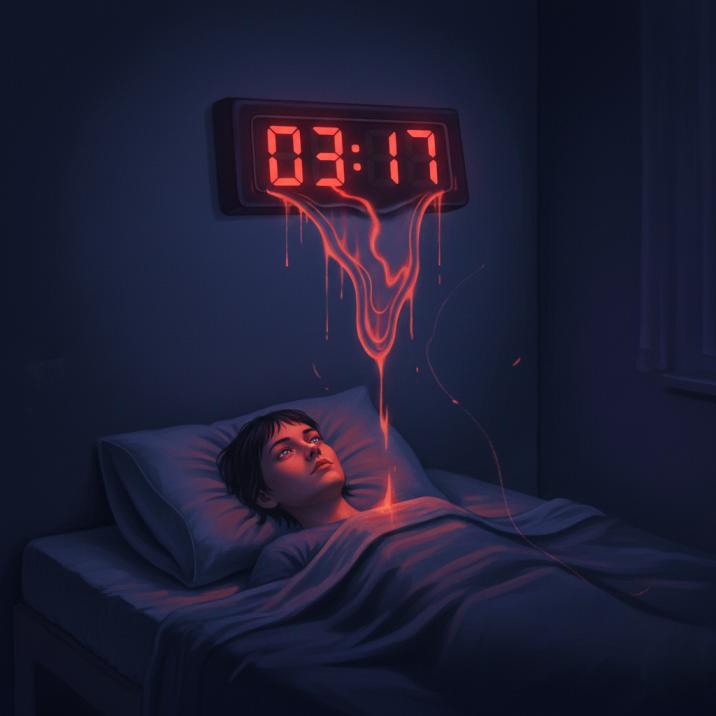
You are driving to work. Suddenly, a bike swerves in front of you. You slam the brakes. You are safe. But your heart is pounding so hard it hurts. Your hands are shaking. You can’t breathe. Why? Because 6 months ago, you were in a car accident. Even though you are safe now, your brain thinks you are back there.
In India, we have a misconception that PTSD (Post-Traumatic Stress Disorder) is only for soldiers fighting at the border. We tell accident survivors: “Arre, you survived! Be grateful and move on.” We tell grieving children: “It was God’s will. Be strong.”
But trauma doesn’t care about “God’s will.” Trauma is biological. Whether it was a car crash on a highway, a sudden heart attack of a parent, or a terrifying stay in the ICU during COVID—your brain can get “stuck” in that moment.
Here is why you can’t “just move on,” and why that is actually okay.
The Science: The Broken “Time Stamp”
To understand PTSD, you have to look at the brain’s filing system.
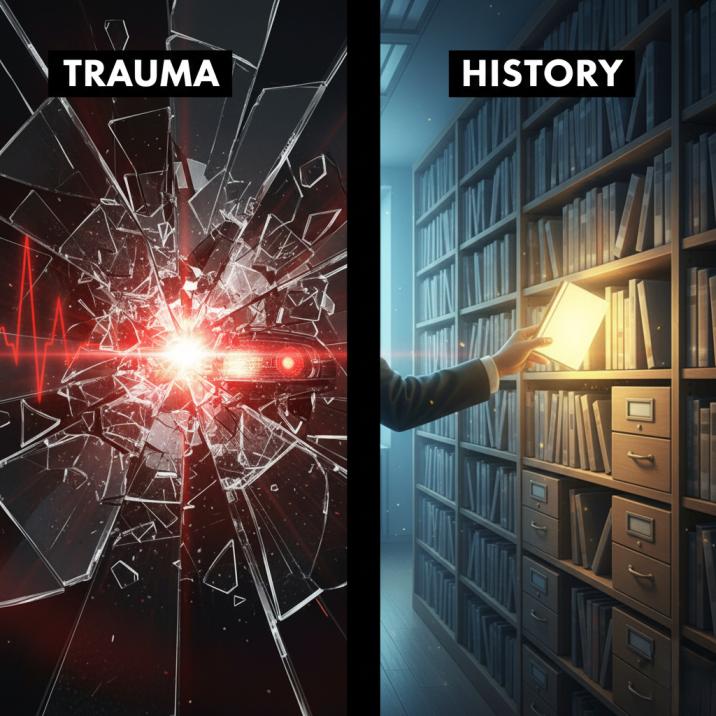
1. The Hippocampus (The Librarian): Normally, when a bad event happens, the Hippocampus puts a “Time Stamp” on it. It says: “This happened in the past. It is over now.” It files the memory away in the “Long Term History” cabinet.
2. The Amygdala (The Alarm Bell): This is the fear center. Its job is to scream “DANGER!”
The PTSD Glitch: During a traumatic event (like a crash or sudden death), the stress hormones are so high that they disable the Hippocampus. The Librarian faints. The memory never gets a “Time Stamp.” So, the memory stays floating in the “Present Moment” folder.
This is why, when you hear a loud tire screech today, you don’t just remember the accident. You relive it. Your Amygdala screams “IT IS HAPPENING NOW!” because the brain never filed it as “Past.”
4 Signs It’s PTSD, Not Just “Stress”
How do you know if you are traumatized or just sad? Look for these 4 clusters.
1. Re-experiencing (The Flashbacks) This is not a memory. A memory is looking at a photo. A flashback is being in the photo. You can smell the antiseptic of the hospital. You can feel the glass shattering. It invades your day without permission.
2. Avoidance (The Shrinking World)
- You stop driving on that specific road.
- You refuse to watch movies with hospital scenes.
- You avoid talking about the person who died.
- You try to numb the pain by avoiding anything that reminds you of the event.
3. Hypervigilance (On Edge) You are physically unable to relax.
- You jump when a door slams.
- You always sit facing the exit in a restaurant.
- You check the locks 5 times. Your body is in “War Mode” 24/7, waiting for the next disaster.
4. Negative Mood Shifts You feel numb. You feel guilty (“I should have saved them”). You feel detached from your family, like there is a glass wall between you and them.
The “Sudden Loss” Trauma
In India, sudden cardiac arrests are common. If you watched a parent die suddenly, or found them unresponsive, that image is seared into your brain. That is not just grief. That is Traumatic Grief. Regular grief is missing them. Traumatic grief is being terrified by the way they left. You cannot mourn properly because you are too busy being traumatized by the memory of the event.
How to Reset the Alarm (Treatment)
You cannot “talk” your way out of PTSD easily, because the trauma lives in the primitive brain, not the logical brain. You need specialized therapies.
1. EMDR (Eye Movement Desensitization and Reprocessing) This is the gold standard. A therapist uses eye movements (or tapping) to manually stimulate the Hippocampus. It helps the brain finally “digest” the stuck memory and move it from “Present Danger” to “Past Memory.”
- Result: You still remember the accident, but the emotional charge is gone. It becomes just a story, not a nightmare.
2. Grounding Techniques (5-4-3-2-1) When a flashback hits, you need to pull your brain back to 2024.
- See 5 things.
- Touch 4 things.
- Hear 3 things.
- Smell 2 things.
- Taste 1 thing. This forces the Amygdala to realize: “Oh, I am here. I am safe.”
You Don’t Have to Live in the Past
If you are suffering, please know: It is not your fault. Your brain is trying to protect you; it’s just doing it too aggressively.
- Check Your Symptoms (PsychKit): Take the PCL-5 (PTSD Checklist). It is a clinical tool to see if your symptoms match the criteria for PTSD. Take the PTSD Screening Test
- During a Flashback (VentOut): If you are panicking at night and the memories won’t stop, talk to a listener. They can help ground you and talk you down from the ledge of panic. Get Grounded Now
- Find a Trauma Expert (IndianPsychologists): Look for a Clinical Psychologist trained in Trauma-Informed Care or EMDR. Regular counselling may not be enough. Find a Trauma/EMDR Therapist
Final Thought
The war wasn’t on a battlefield. It was on a highway, or in a hospital room, or in a phone call. But the war is over now. You survived. Now, it is time to convince your brain that it is safe to put the armor down.
📚 References & Further Reading
- Van der Kolk, Bessel – The Body Keeps the Score (The Bible of Trauma).
- Shapiro, Francine – Getting Past Your Past (Creator of EMDR).
- American Psychological Association – What is Posttraumatic Stress Disorder?

Author: JOYSON JOY P' MPhil (Cli. Psy.) Clinical Psychologist
Joyson Joy P is a Clinical Psychologist (RCI Licensed) and the Chief Mentor advisor of the Indian Psychologists Directory & Magazine. With a deep focus on Trauma, Anxiety, Depression, Personality disorders, and Adult ADHD, he bridges the gap between complex psychological science and the Indian cultural context. His mission is to make evidence-based mental healthcare accessible, de-stigmatized, and easy to navigate for every Indian.