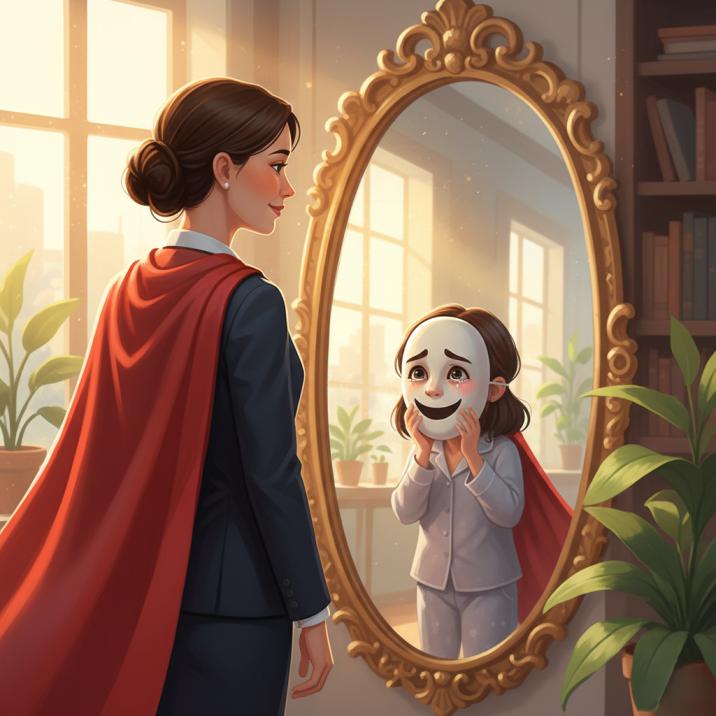

The Psychology of Money: Why We Spend to Feel Better
It’s 10 PM. You had a terrible day at the office. Your boss yelled at you. The traffic was a nightmare. You are tired, hungry, and annoyed. You lie down on the sofa and open your phone. Your thumb automatically goes to Amazon, Myntra, or Zomato. You see a pair of shoes. Or a biryani. Or a gadget you definitely don’t need. Click. Pay via UPI. Done.
For a brief moment, you feel a rush of relief. A tiny spark of joy. But the next morning? You feel guilt. And your bank balance is lower.
In India, we call this “Retail Therapy.” In psychology, we call it Emotional Spending. And in the age of 1-click UPI payments, it has become an epidemic. We aren’t buying products anymore; we are buying feelings.
The Science: Why Buying Feels Like a Hug
Why does spending money feel so good when we are stressed?
1. The Illusion of Control When your life feels chaotic (work stress, family drama), you feel helpless. Spending money is an act of Control. You choose the item. You choose the delivery time. You are the boss. Your brain says: “I can’t control my boss, but I CAN control this purchase.” It is a quick way to regain a sense of power.
2. The Dopamine Loop (The Anticipation) Here is the trick: The brain releases Dopamine (the pleasure chemical) before you buy the item, not after. It is the hunt and the click that gets you high. Once the package arrives, the dopamine crashes. That is why you have boxes of stuff in your house that you haven’t even opened. You didn’t want the shoes; you wanted the drug.
The Indian Trap: The Death of “Pain of Paying”
Psychologist Dan Ariely talks about the “Pain of Paying.” In the old days, when we paid cash, we physically felt the loss. Counting ₹2000 notes hurt. That pain stopped us from overspending.
With UPI and Credit Cards, the pain is gone. Scanning a QR code feels like nothing. It’s frictionless. Because there is no pain, there is no brake pedal. You spend ₹5000 in 5 seconds without blinking.
The “HALT” Trigger: When Are You Vulnerable?
You don’t spend randomly. You spend when you are emotionally compromised. Use the addiction acronym HALT to check yourself.
Are you buying this because you need it, or because you are:
- H – Hungry (Physically or emotionally starving for comfort?)
- A – Angry (Revenge spending against a partner or boss?)
- L – Lonely (Trying to buy connection or status?)
- T – Tired (Too exhausted to cook or think?)
How to Break the Cycle (3 Practical Steps)
You don’t need more willpower. You need more friction.
1. The “24-Hour Rule” (Add to Cart, Then Stop) When you want to buy something non-essential, add it to your cart. Then close the app. Tell yourself: “If I still want this tomorrow at this time, I will buy it.” 90% of the time, the emotional urge will pass by morning, and you will delete the item.
2. Calculate the Cost in “Hours of Work” Don’t look at the price tag in Rupees. Look at it in Labor.
- Item Cost: ₹5,000.
- Your Hourly Wage: ₹500.
- Real Cost: 10 hours of work. Ask yourself: “Is this shirt worth sitting in traffic and dealing with my boss for 10 hours?” Suddenly, it doesn’t seem worth it.
3. Identify the “Void” What are you actually trying to buy?
- If you are buying expensive clothes -> Are you buying Confidence?
- If you are ordering expensive food -> Are you buying Comfort?
- If you are buying the latest iPhone -> Are you buying Respect?
Replace the Habit
If you strip away the spending coping mechanism, you need to replace it, or you will relapse.
- Stress Spending? -> Talk Instead (VentOut): Next time you feel the urge to “stress shop,” open VentOut instead. Talking to a listener costs a fraction of a shopping spree and actually solves the emotional stress instead of masking it. Vent Instead of Spending
- Is it an Addiction? (PsychKit): Compulsive Buying Disorder (Oniomania) is real. Take the test to see if your shopping habits are crossing the line into addiction. Take the Shopping Addiction Test
- Financial Anxiety? (IndianPsychologists): If money is a constant source of fear and conflict in your marriage, see a Counselling Psychologist. We help you understand your “Money Script”—the beliefs you learned about money in childhood. Find a Therapist for Financial Stress
Final Thought
Money is a tool for survival, not a bandage for your heart. The next time you reach for your wallet to feel better, pause. Ask yourself: “What is hurting right now?” Address the hurt directly. Your bank account (and your mental health) will thank you.
📚 References & Further Reading
- Housel, Morgan – The Psychology of Money.
- Ariely, Dan – Dollars and Sense: How We Misthink Money and How to Spend Smarter.
- Journal of Consumer Psychology – Retail Therapy: A Strategic Effort to Improve Mood.

Author: JOYSON JOY P' MPhil (Cli. Psy.) Clinical Psychologist
Joyson Joy P is a Clinical Psychologist (RCI Licensed) and the Chief Mentor advisor of the Indian Psychologists Directory & Magazine. With a deep focus on Trauma, Anxiety, Depression, Personality disorders, and Adult ADHD, he bridges the gap between complex psychological science and the Indian cultural context. His mission is to make evidence-based mental healthcare accessible, de-stigmatized, and easy to navigate for every Indian.