Insomnia: Psychological Tricks to Fall Asleep Without Medication
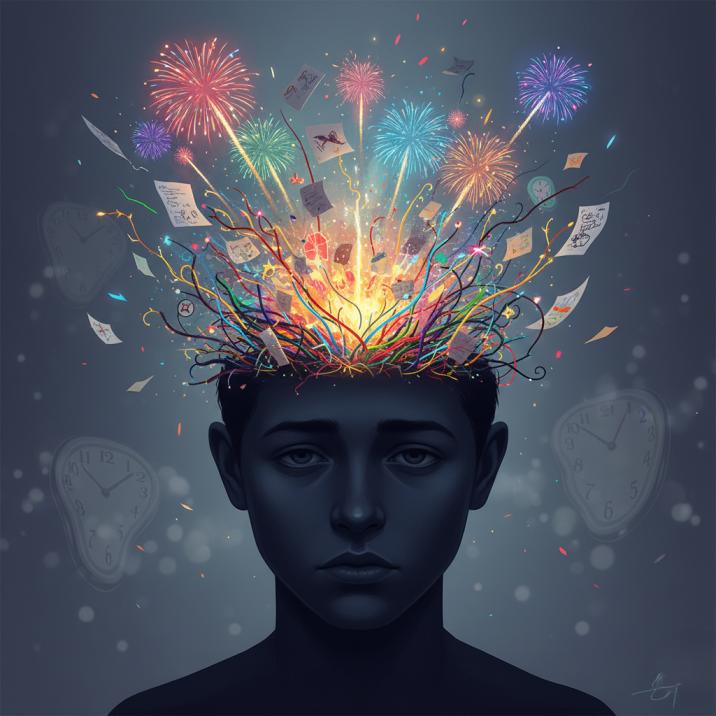
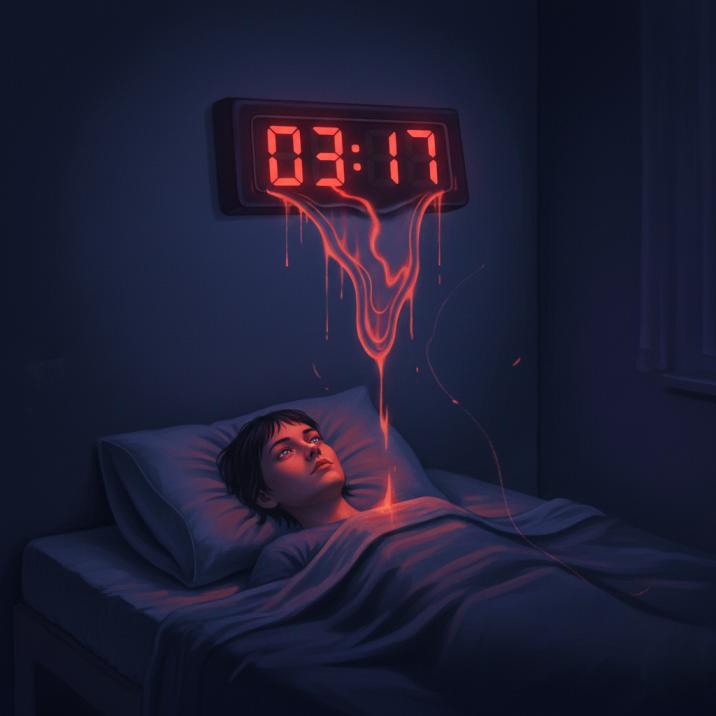
It is 3:00 AM. The house is silent. The fan is whirring. Everyone else is sleeping peacefully. And you are staring at the ceiling, doing mental math: “If I fall asleep right now, I will get 4 hours of sleep. If I fall asleep in 30 minutes, I will get 3.5 hours.”
You fluff the pillow. You turn over. You close your eyes tight. You command your brain to shut down. But your brain says: “No. Let’s think about that embarrassing thing you said in 2014.”
In India, we treat sleep like a switch. We expect it to turn on instantly. When it doesn’t, we panic. We take pills, drink milk, or doom-scroll until our eyes burn.
As a psychologist, I am here to tell you the Golden Rule of Sleep: Sleep is like a cat. If you chase it, it runs away. If you ignore it, it sits in your lap.
Here is how to stop chasing and start sleeping, using the science of CBT-I (Cognitive Behavioral Therapy for Insomnia).
The Science: The “Conditioned Arousal”
Why can you fall asleep on the sofa while watching TV, but the moment your head hits the bed, you are wide awake?
It is Classical Conditioning (Pavlov’s Dog). Over the last few months, you have spent hours lying in bed worrying, checking your phone, and being frustrated. Your brain has learned a new association: Bed = Thinking / Worrying / Being Awake. Your bed has become a trigger for alertness, not rest. To fix this, we have to break that link.
Trick 1: The “20-Minute Rule” (Stimulus Control)
This is the scary part, but it is the most effective. If you cannot sleep after 20 minutes (estimated), GET UP.
Do not lie there fighting it.
- Go to another room.
- Keep the lights dim.
- Read a boring book (paper, not digital).
- Do not return to bed until you feel physically sleepy (eyes heavy, head nodding).
Why? You are retraining your brain. You are teaching it: “We are only allowed to be in this bed when we are asleep. If we are awake, we leave.” It takes about a week, but eventually, your brain relearns that Bed = Sleep.
Trick 2: Paradoxical Intention (Stop Trying)
Performance Anxiety kills sleep. You are scared of not sleeping, so your adrenaline spikes. The Trick: Try to stay awake. Lie in bed, keep your eyes open in the dark, and tell yourself: “I am just going to rest my body. I will not try to sleep. I will just enjoy the quiet.”
When you remove the pressure to sleep, the adrenaline drops. And usually, you accidentally fall asleep within minutes.
Trick 3: The “Worry Parking Lot”
Many Indians suffer from “Revenge Bedtime Procrastination” or racing thoughts because the night is the only quiet time they have. The Fix: Do your worrying before bed.
- At 8:00 PM, take a notebook.
- Write down every stress: “The EMI is due,” “Mom is sick,” “Project deadline.”
- Close the book. Say: “I have parked these worries here. I will pick them up tomorrow morning at 9 AM.”
When the thought comes at 3 AM, tell your brain: “It’s already in the book. We don’t need to hold it right now.”
Trick 4: The 4-7-8 Breathing Technique
This is a biological “off switch” for your nervous system.
- Inhale through your nose for 4 seconds.
- Hold your breath for 7 seconds.
- Exhale forcefully through your mouth (making a whoosh sound) for 8 seconds.
This forces your heart rate to slow down and signals safety to your Amygdala.
Do You Need a Doctor?
Insomnia can sometimes be a symptom of Depression, Anxiety, or Sleep Apnea.
- Check Your Severity (PsychKit): How bad is it? Take the Insomnia Severity Index (ISI). It’s a clinically validated score to see if you need medical intervention. Take the Sleep Test
- The 3 AM Panic (VentOut): If you are lying awake feeling lonely and anxious, don’t just stare at the darkness. Talk to a Night Listener. Sometimes just having a human connection calms the anxiety enough to let you drift off. Chat with a Listener Now
- Chronic Insomnia (IndianPsychologists): If you haven’t slept well in 3 months, you need a specialist. CBT-I Therapists can create a strict sleep restriction schedule to reset your biological clock. Find a Sleep Therapist
Final Thought
You were born knowing how to sleep. You haven’t lost the ability; you have just buried it under stress and bad habits. Tonight, don’t try to sleep. Just rest. Let the cat come to you.
📚 References & Further Reading
- Walker, Matthew – Why We Sleep: Unlocking the Power of Sleep and Dreams.
- Perlis, M. L., et al. – Cognitive Behavioral Treatment of Insomnia: A Session-by-Session Guide.
- Harvard Health Publishing – Insomnia: Restoring restful sleep.

Author: JOYSON JOY P' MPhil (Cli. Psy.) Clinical Psychologist
Joyson Joy P is a Clinical Psychologist (RCI Licensed) and the Chief Mentor advisor of the Indian Psychologists Directory & Magazine. With a deep focus on Trauma, Anxiety, Depression, Personality disorders, and Adult ADHD, he bridges the gap between complex psychological science and the Indian cultural context. His mission is to make evidence-based mental healthcare accessible, de-stigmatized, and easy to navigate for every Indian.