Is It a Habit or Addiction? The Fine Line with Alcohol and Gaming
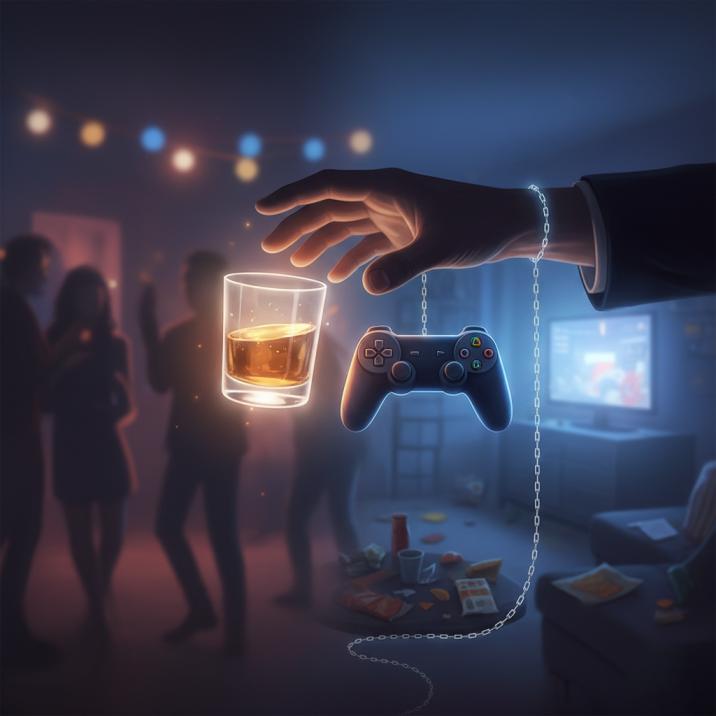
“I only drink on weekends.” “I just play PUBG for an hour to destress after work.”
We all tell ourselves these stories. In India, where social drinking is becoming a status symbol and gaming is a massive industry, the line between “Fun” and “Dependency” is blurring.
You might hold down a job. You might pay your bills. You might never have been arrested. So you think, “I’m not an addict. Addicts are the people under the bridge.”
But as a psychologist, I look for different signs. Addiction isn’t about what you use; it is about why you use it and what happens when you stop. Let’s find out where you stand.
The Science: The Brain Hijack
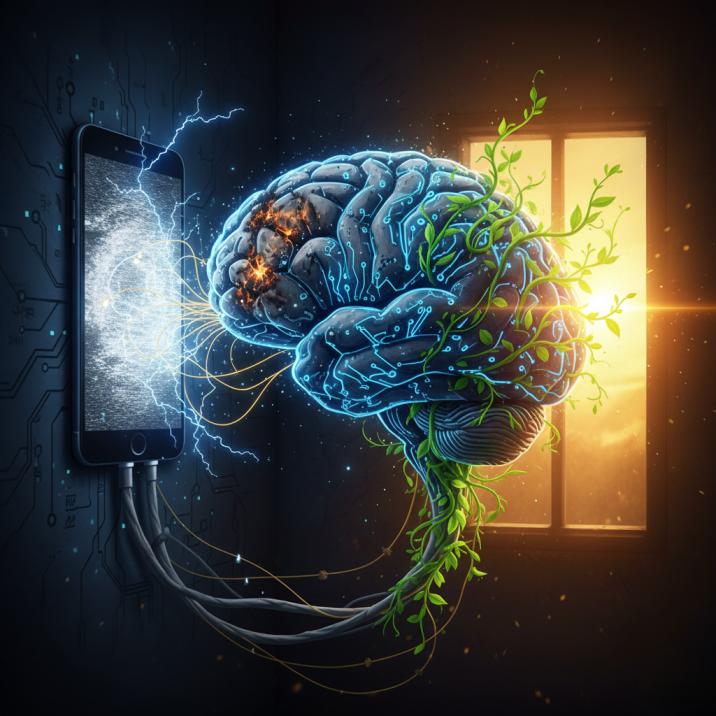
The difference between a habit and an addiction is Dopamine.
- Habit: You brush your teeth. It feels neutral. If you don’t do it, you feel gross, but you don’t panic.
- Addiction: You drink a whiskey or win a match. Your brain releases a flood of dopamine (pleasure). Your brain loves this. It records the “Trigger” (Stress = Drink/Game).
Over time, your brain rewires itself. It stops producing its own dopamine because it expects the external supply. Now, you aren’t using to feel good; you are using just to feel normal.
The “4 C’s” Test: Where Do You Cross the Line?
Clinicians use the 4 C’s to diagnose addiction. If you recognize these, you have crossed the line.
1. Compulsion (The Urge) A habit is a choice. Addiction is a hunger.
- Alcohol: You start thinking about the evening drink at 3 PM.
- Gaming: You are at a family dinner, but you are mentally replaying the game or itching to check your rank.
2. Control (Loss of It) This is the biggest lie we tell ourselves: “I will only have one peg.” or “Just one more match.”
- The Reality: One peg turns into three. One match turns into a 4 AM marathon.
- If you consistently break your own rules, the steering wheel is broken.
3. Craving (The Withdrawal) What happens if you can’t do it?
- Do you feel irritable? Restless? Anxious?
- Do you find life “boring” without it?
- This “dysphoria” is your brain screaming for its fix.
4. Consequences (Continued Use Despite Harm) This is the dealbreaker.
- You drink even though your doctor said your liver is fatty.
- You game even though your wife is sleeping alone and angry.
- If you prioritize the substance over your health or relationships, it is an addiction.
The Specific Traps
The “Functional” Alcoholic In India, this is common among corporate men. You wear a suit, earn lakhs, and never get “drunk” in public. But you need 3 whiskeys every night to “switch off.”
- The Danger: You are damaging your liver and brain silently. You are physically present for your family, but emotionally absent (numb).
The “Gamer” Dopamine Loop Video games are engineered to be addictive.
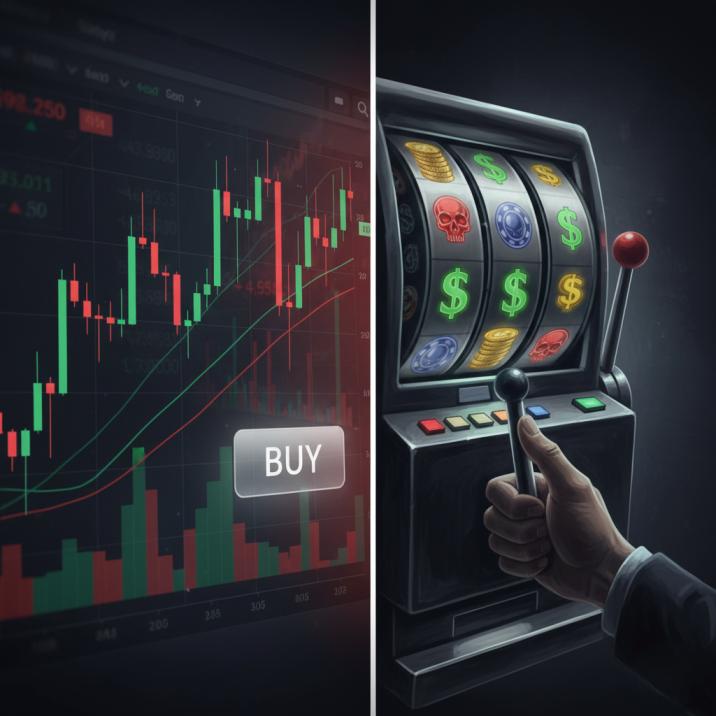
- Loot Boxes/Rewards: They use “Variable Ratio Reinforcement” (like slot machines). You might win big. This uncertainty keeps you hooked.
- Escapism: For young adults facing unemployment or academic pressure, the game offers a world where they are powerful and successful (unlike real life).
How to Step Back (The Reset)
You don’t necessarily need to quit forever (unless it’s severe). But you do need a Dopamine Reset.
1. The 30-Day “Sober” Challenge You cannot moderate an addiction. You have to starve it first. Commit to 30 days of ZERO alcohol or gaming.
- Week 1: You will feel bored and angry. (This proves you were addicted).
- Week 3: Your natural dopamine starts to return. Colors look brighter.
2. Replace the Ritual You aren’t just addicted to the substance; you are addicted to the ritual.
- Alcohol: If you drink to relax, replace it with a hot shower or a specific herbal tea.
- Gaming: If you game for “achievement,” join a sport where you can track real progress.
3. Identify the “void” What are you numbing? Are you lonely? Stressed? Bored? If you don’t fix the hole in the bucket, you will just switch addictions (e.g., quit drinking, start overeating).
Do You Need Help?
- Test Your Dependence (PsychKit): Don’t guess. Take the CAGE Questionnaire (for alcohol) or the IGD Scale (for gaming). These are clinical tools to measure severity. Take the Addiction Screening Test
- The Urge Wave (VentOut): Craving only lasts for 20 minutes. If you feel the urge to drink or log in, hop onto VentOut. Talk to a listener for 15 minutes. By the time you are done, the urge will often pass. Ride the Wave with a Listener
- Clinical Detox (IndianPsychologists): If you get physical shakes when you stop drinking, do not stop alone. It can be fatal. Find a Psychiatrist or De-addiction Specialist immediately. Find an Addiction Specialist
Final Thought
Addiction is not a sign that you are a bad person. It is a sign that you are in pain and found a painkiller that worked too well. The goal isn’t just sobriety. The goal is to build a life you don’t need to escape from.
📚 References & Further Reading
- Duhigg, Charles – The Power of Habit.
- Lembke, Anna – Dopamine Nation: Finding Balance in the Age of Indulgence.
- World Health Organization (WHO) – Gaming Disorder Criteria.

Author: JOYSON JOY P' MPhil (Cli. Psy.) Clinical Psychologist
Joyson Joy P is a Clinical Psychologist (RCI Licensed) and the Chief Mentor advisor of the Indian Psychologists Directory & Magazine. With a deep focus on Trauma, Anxiety, Depression, Personality disorders, and Adult ADHD, he bridges the gap between complex psychological science and the Indian cultural context. His mission is to make evidence-based mental healthcare accessible, de-stigmatized, and easy to navigate for every Indian.