Cultural Identity Crisis: Raising “Indian” Kids in a Western World
It starts with a lunchbox. You pack roti-sabzi or idli for your 6-year-old, just like your mother packed for you. But your child comes home and says: “Mom, can I just have a sandwich? The other kids said my food smells funny.”
Your heart breaks a little. You feel a flash of anger: “Why are they ashamed of our food?” Then a flash of guilt: “Did I make a mistake moving here? Are they going to lose their roots completely?”
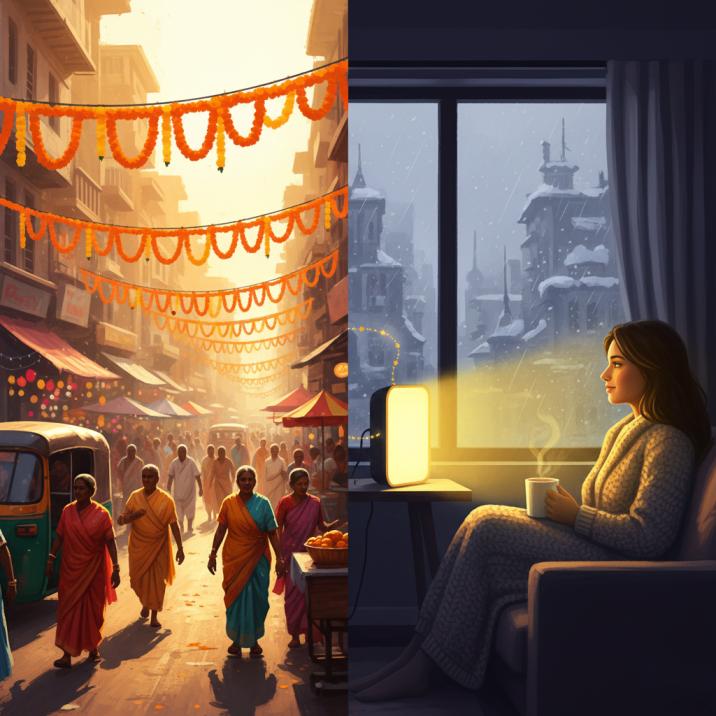
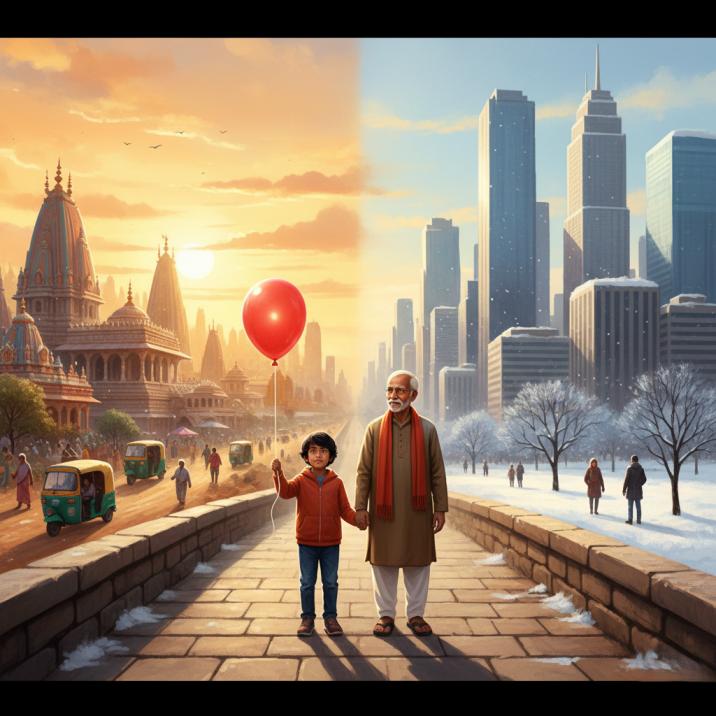
This is the NRI Parent’s Dilemma. You want your children to have the “Wings” of Western opportunity—the Ivy League education, the critical thinking, the freedom. But you are terrified they will lose their “Roots”—the respect for elders, the festivals, the language.
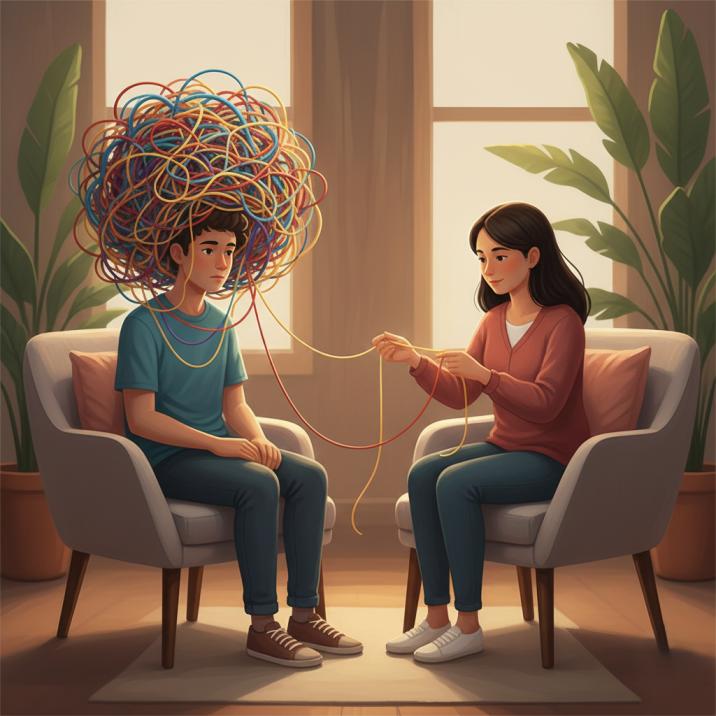
We used to call these children ABCDs (American Born Confused Desis). As a psychologist, I hate that term. It implies they are confused or broken. They are not. They are Third Culture Kids. And their struggle is real, valid, and manageable.
The “Time Capsule” Trap (Parent Psychology)
First, let’s look at your anxiety. When you left India in 2005 or 2010, you froze your version of “Indian Culture” in time. You remember the India of your childhood—obedient kids, joint families, strict rituals. The Reality: India has moved on. Kids in Mumbai and Bangalore today are watching anime, dating, and speaking English slang. The Conflict: You are trying to raise your kids to fit into an India that no longer exists, while they are trying to survive in a Western reality that demands they adapt.
This creates the “Double Life”:
- At Home: They must be the perfect Indian child (silent, obedient, religious).
- At School: They must be the cool Western kid (loud, opinionated, individualistic). Switching masks 10 times a day is exhausting. That is not “disrespect”; that is survival.
The “Third Culture” Reality
Your child is not “Half Indian, Half American.” They are 100% Third Culture.
- First Culture: Your heritage (India).
- Second Culture: Their environment (USA/UK/Canada).
- Third Culture: The unique hybrid space they create between the two.
In this Third Culture, they might eat tacos and biryani. They might celebrate Diwali and Halloween. They might respect you deeply but still disagree with you openly (a Western trait). This is not a loss of culture. This is an evolution of culture.
3 Signs of an Identity Crisis
How do you know if your child is actually struggling?
- The “Rejection” Phase: They refuse to speak your mother tongue, refuse to wear ethnic clothes, or ask you not to speak Hindi/Tamil in front of their friends. (This is usually fear of bullying, not hatred of you).
- The “Hyper-Assimilation”: They try too hard to be Western. They mock Indian accents or distance themselves from other “brown” kids to prove they fit in with the white majority.
- The “Double Isolation”: They feel they are “too brown” for their white friends, but “too white” for their cousins back in India. They feel homeless.
How to Give Them Roots AND Wings
You cannot force culture. If you force it, they will resent it. You have to share it.
1. Explain the “Why,” Not Just the “What”
Don’t just say: “Touch their feet because I said so.” Say: “In our culture, we touch feet to humbly acknowledge that their experience is greater than ours. It’s a way to receive wisdom.” Western-raised kids need logic. If you explain the value behind the ritual, they will respect it. If you demand blind obedience, they will rebel.
2. Create “Positive” Associations (Not Just Guilt)
If the only time you talk about being Indian is to scold them (“Indian kids study harder,” “Don’t wear that, what will people say?”), they will associate “Indian” with “Pressure.” Make culture fun.
- Cook together.
- Watch Bollywood movies (and laugh at the silly parts together).
- Celebrate festivals with joy, not just long, boring prayers. Let them fall in love with India, not just fear it.
3. Validate Their Western Side
Don’t demonize their environment. When they question you or argue, don’t say: “You are becoming too American.” Say: “I appreciate that you have your own opinion. That is a good skill. But in this house, we speak respectfully.” Acknowledge that their independence is a strength they learned from their world, even if it feels foreign to yours.
The “Bridge” Strategy
You are the bridge.
- To India: You interpret the culture for them so they don’t feel like outsiders.
- To the West: You champion them to the world so they feel backed by strong ancestors.
- Check Your Parenting Style (PsychKit): Are you an Authoritarian (Old School) or Authoritative (Balanced) parent? Your style impacts their identity. Take the Parenting Style Test
- The “I Don’t Fit In” Talk (VentOut): If your teenager is being bullied for being “different” or is ashamed of their heritage, they might not tell you. Let them talk to a listener who can validate their bicultural struggle without judgment. Chat with a Listener
- Family Counseling (IndianPsychologists): If the culture gap has become a war zone in your house, a Family Therapist can act as a translator between the two generations. Find a Culturally Sensitive Therapist
Final Thought
Your children will never be “Indian” in the way you are. But they will be something equally beautiful. They will be global citizens who can navigate two worlds with grace. Your job is not to clone yourself. It is to give them a strong anchor so they can sail their own ship.
📚 References & Further Reading
- Pollock, David C. – Third Culture Kids: Growing Up Among Worlds.
- Lahiri, Jhumpa – The Namesake (A novel on the immigrant experience).
- Bhattacharjee, A. – The Desi Diaspora: Identity and Ethnicity.

Author: JOYSON JOY P' MPhil (Cli. Psy.) Clinical Psychologist
Joyson Joy P is a Clinical Psychologist (RCI Licensed) and the Chief Mentor advisor of the Indian Psychologists Directory & Magazine. With a deep focus on Trauma, Anxiety, Depression, Personality disorders, and Adult ADHD, he bridges the gap between complex psychological science and the Indian cultural context. His mission is to make evidence-based mental healthcare accessible, de-stigmatized, and easy to navigate for every Indian.