
The Child Inside: Healing From Unresolved Childhood Trauma
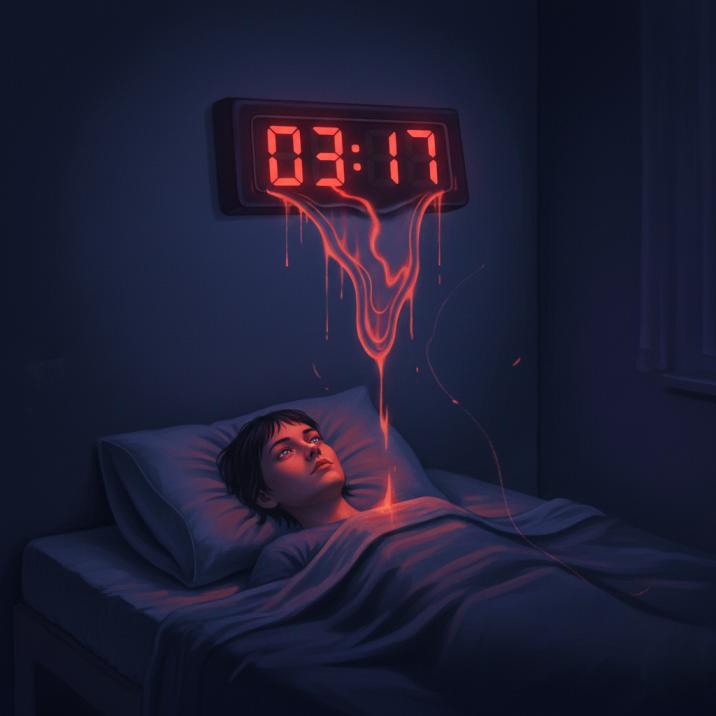
You are 30 years old. You pay your taxes. You run a team at work. You are a responsible adult. But then, your boss uses a slightly harsh tone with you. Suddenly, your heart races. You feel small. You feel terrified. You can’t speak up.
Or maybe your partner forgets to call you, and instead of asking why, you explode in a rage that feels uncontrollable.
In those moments, you are not a 30-year-old adult. You have emotionally time-traveled back to being 5 years old. You are the little boy who was yelled at by his father. You are the little girl who was ignored by her mother.
Psychologists call this the “Wounded Inner Child.” In India, we often dismiss childhood pain. We say, “My parents hit me for my own good,” or “I had food and school, what is there to complain about?”
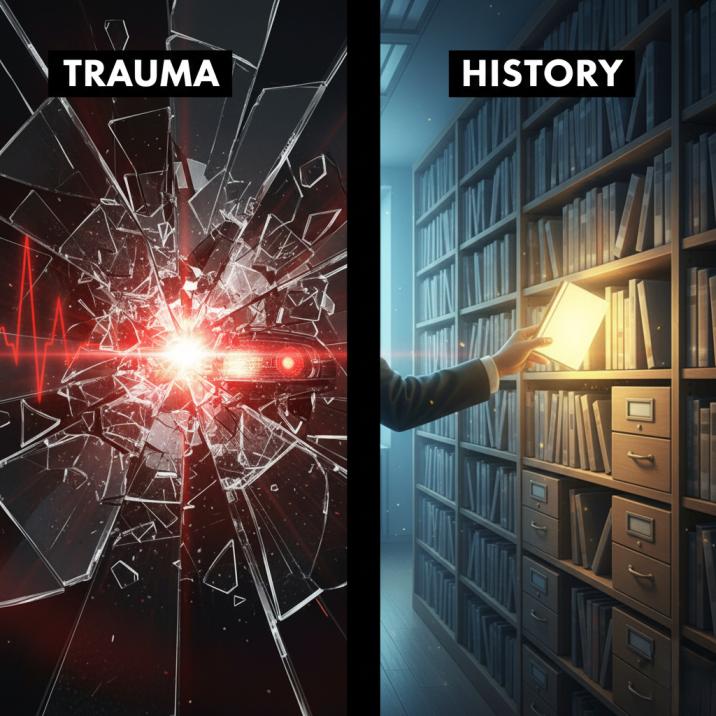
But the body keeps the score. Unresolved trauma doesn’t disappear just because you grew up. It lives in your nervous system, driving your anxiety, your anger, and your relationships today.
What is the “Inner Child”? (It’s Not Just a Metaphor)
Your “Inner Child” is not a ghost living inside you. It is a Neural Network. It represents the emotional memories and patterns you learned between the ages of 0 and 7.
- If you learned that “Love = Performance” (e.g., you were only hugged when you got good grades), your Inner Child is the part of you today that works 14 hours a day to please your boss.
- If you learned that “Anger = Danger” (e.g., a volatile parent), your Inner Child is the part of you that freezes when someone raises their voice.
The “Little t” Trauma: The Silent Wound
We know “Big T” trauma (physical abuse, accidents). But in Indian families, we suffer mostly from “Little t” trauma:
- Chronic Comparison: “Look at Sharma ji’s son.”
- Emotional Neglect: Parents who provided food but never asked “How are you feeling?”
- Parentification: Being forced to act like an adult/mediator for your parents’ fights when you were just a kid.
These wounds create Toxic Shame—the deep belief that “Something is wrong with me.”
5 Signs Your Inner Child is Wounded
- Disproportionate Reactions: Your reaction doesn’t match the event. Spilling milk makes you feel like the world is ending.
- People Pleasing: You cannot say “No” because you are terrified of rejection. You apologize even when it’s not your fault.
- Perfectionism: You feel that if you make a mistake, you will be unlovable.
- Fear of Abandonment: You are clingy in relationships, or you push people away before they can leave you.
- Numbing: You use food, alcohol, or scrolling to silence your feelings.
How to Heal: The Art of “Reparenting”
You cannot change your childhood. But you can change your relationship with it. The cure for childhood trauma is Reparenting. This means you become the parent to your Inner Child that you never had.
Step 1: Acknowledge the Child
Stop saying “It wasn’t that bad.” Validate the pain. Close your eyes. Visualize yourself at age 5 or 7. What does that child look like? Are they scared? Lonely? Angry? Just acknowledge them. Say, “I see you.”
Step 2: Dialogue (The Two-Handed Method)
This is a powerful therapy technique.
- Dominant Hand (Adult Self): Ask a question. “Why are you so scared of this meeting?”
- Non-Dominant Hand (Child Self): Write the answer. Using your weak hand bypasses your logical brain and accesses the emotional brain.
- Answer: “Because if I fail, Daddy will be mad.”
Step 3: Soothe (Self-Compassion)
When you feel triggered, don’t scold yourself (“Stop being a baby!”). Instead, soothe yourself. Place a hand on your heart. Say: “It is okay. I am safe now. That boss is not my father. I am an adult and I can handle this.”
Where to Find Help?
Trauma work is heavy. It can bring up memories you forgot. Do not do it alone if it feels overwhelming.
- Check Your “ACE” Score (PsychKit): The Adverse Childhood Experiences (ACE) score is a clinical way to measure the impact of your childhood on your health today. Understanding your score explains why you are the way you are. Take the ACE Test
- When Memories Overwhelm You (VentOut): If a flashback hits or you just need to cry about the past, talk to a listener. You don’t need to explain the whole story; just letting the emotion out is healing. Talk to a Supportive Listener
- Trauma Therapy (IndianPsychologists): For deep wounds, regular talk therapy might not be enough. Look for Clinical Psychologists trained in Inner Child Work, EMDR, or IFS (Internal Family Systems). These are specialized therapies for trauma. Find a Trauma Specialist
Final Thought
You are not “broken.” You are a survivor. The strategies that kept you safe as a child (hiding, pleasing, fighting) are just outdated now. You can thank that little child for protecting you, and then gently tell them: “I’ve got this now. You can rest.”
📚 References & Further Reading
- Bradshaw, John – Homecoming: Reclaiming and Championing Your Inner Child.
- Van der Kolk, Bessel – The Body Keeps the Score (Understanding Trauma).
- LePera, Nicole – How to Do the Work (Reparenting Guides).

Author: JOYSON JOY P' MPhil (Cli. Psy.) Clinical Psychologist
Joyson Joy P is a Clinical Psychologist (RCI Licensed) and the Chief Mentor advisor of the Indian Psychologists Directory & Magazine. With a deep focus on Trauma, Anxiety, Depression, Personality disorders, and Adult ADHD, he bridges the gap between complex psychological science and the Indian cultural context. His mission is to make evidence-based mental healthcare accessible, de-stigmatized, and easy to navigate for every Indian.